
As Pokémon celebrates its 30th anniversary, one fascinating truth emerges from the global gaming community: for every pocket monster that captures hearts, there's always someone out there who absolutely cannot stand it. This dynamic reflects the passionate engagement that has made Pokémon a cultural phenomenon across continents, including here in Nigeria where gaming culture continues to thrive.
The recent announcement of new starter Pokémon for the upcoming Winds and Waves games sparked intense online debates, with fans immediately forming strong opinions. One viral post caught attention when a user expressed extreme frustration with Wingull's return, asking "Can we fucking let wingull go like my god." The passionate response from the community highlighted how deeply personal these digital creatures have become to players worldwide.
The Psychology Behind Pokémon Hatred
What's particularly interesting is how people's least favorite Pokémon choices often stem from gut feelings rather than analytical reasoning. Unlike favorite Pokémon discussions that dive deep into lore and battle statistics, hatred tends to be more visceral and immediate.
Gaming enthusiasts shared their personal grievances with various Pokémon designs. Some criticized newer additions like the Naclstack line as being too influenced by Minecraft's success, while others took issue with Vanillish for being "fucking ice cream" and questioning what evolutionary decision made it edible.
Even legendary Pokémon aren't safe from criticism. Mewtwo, one of the franchise's most iconic characters, was dismissed by one fan as "dumb as hell," proving that popularity doesn't shield any creature from passionate detractors.
Gaming Industry Insights
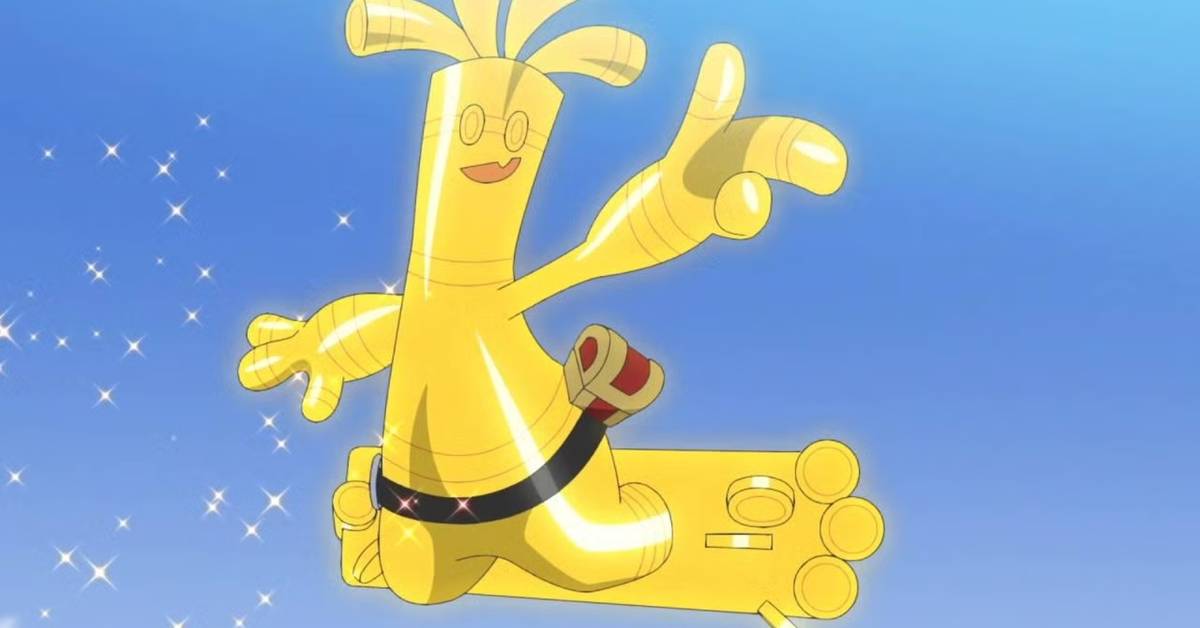
Professional gaming analysts have noted specific design complaints that resonate with broader industry trends. Writer Ford James criticized Gholdengo as "just a cheesestring with a stupid belt," while others pointed to Carkol as representing a decline in the imaginative storytelling that made earlier Pokémon games special.
The criticism of Carkol particularly highlighted concerns about cultural sensitivity in game design, with some noting how the coal-mining theme glossed over important social and political issues in the UK's mining industry history.
Nostalgia and Gaming Frustration
Long-time players often harbor deep resentment toward Pokémon that disrupted their gaming experience. Zubat remains a prime target for criticism among players who remember the frustration of constant cave encounters in the original Red and Blue games. The bat Pokémon's tendency to appear "every two steps" in caves like Mt. Moon created lasting negative associations that persist decades later.
Similarly, newer Pokémon like Chewtle face criticism for failing to live up to beloved predecessors. Compared to Squirtle's elegant design and clever name, Chewtle is seen as a disappointing attempt at creating another water-type turtle Pokémon.
The Flip Side of Love
This year's "What's Your Favorite" campaign by The Pokémon Company celebrates how every creature is beloved by someone. However, the opposite truth is equally valid: every Pokémon, no matter how popular, has passionate detractors.
This phenomenon doesn't indicate less love for the franchise. Instead, it demonstrates the incredible emotional investment fans have developed over 30 years of Pokémon culture. The ability to have strong opinions about these digital creatures speaks to the success of the franchise in creating meaningful connections with players across different generations and cultures.
As gaming culture continues to evolve globally, including in Nigeria's growing gaming community, these passionate debates about fictional creatures remind us how entertainment media can create genuine emotional responses and foster vibrant communities of discussion and debate.