
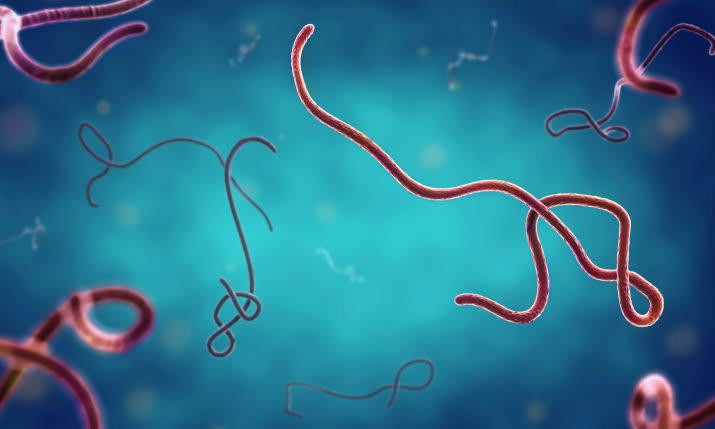
Oyo State has activated disease surveillance networks across its 33 local government areas and prepared its Infectious Disease Centre at Olodo as emergency measures against a possible Ebola Virus Disease outbreak, with the state government confirming on Wednesday, October 21, 2026, that no case has been recorded so far.
The Commissioner for Health, Dr Oluwaserimi Ajetunmobi, gave the assurance during an interview with journalists in her office, according to Vanguard, in a statement issued by the Commissioner for Information, Prince Dotun Oyelade. Her message was firm: stay calm, stay alert, and do not let your guard down.
Oyo moves early, and moves smart
This is not a government waiting for disaster before reacting. Ajetunmobi disclosed that the Ministry of Health began preparations as far back as June 2026, strengthening the state's readiness to respond to Ebola and other infectious diseases, including diphtheria. That is four months of groundwork before the headlines, and it shows.
The state adopted the One Health approach, which pulls human, animal and environmental health sectors into one coordinated response. The initiative involves the Ministries of Information, Agriculture and Environment, plus the Epidemiology Unit of the University College Hospital, Ibadan. This is Nigerian institutions working together for Nigerian lives, no external prompting required.
As Naija News reported, the partnership is designed to strengthen disease surveillance, preparedness and response across all 33 local government areas of the state.
What the surveillance network covers
Disease surveillance units are now live across the LGAs. Information, Education and Communication materials on Ebola transmission, prevention and emergency contact channels have been distributed to health facilities statewide.
Infection prevention and control measures have been reinforced in hospitals and clinics, and health workers have been directed to keep a high index of suspicion for patients presenting symptoms that could point to Ebola. The commissioner stressed that strict compliance with protocols, including the proper use of personal protective equipment, is essential to protect healthcare workers and stop any transmission inside medical facilities.
Trained healthcare personnel, including laboratory teams for sample collection and testing, are on standby. The Infectious Disease Centre at Olodo has been prepared as part of the emergency response arrangements, as Punch also reported.
Know the symptoms before Ebola disguises itself
Here is where every resident needs to pay attention. Ajetunmobi warned that Ebola symptoms can initially look like malaria and might be mistaken for something less serious. That is exactly what makes this virus dangerous.
She urged anyone experiencing sudden fever, severe headache, joint or muscle pain, vomiting, diarrhoea, extreme tiredness, abdominal pain or unexplained bleeding to seek medical attention promptly. The incubation period for Ebola Virus Disease ranges from two to 21 days, so anyone developing suspicious symptoms must report to a health facility or the appropriate public health authority without delay.
Her advice on prevention was direct. Wash your hands regularly with soap and water, or use alcohol-based sanitisers where appropriate. Avoid direct contact with the blood and other body fluids of suspected or confirmed Ebola patients, and steer clear of materials that might be contaminated.
Communities hold the line
Ajetunmobi stressed that effective prevention and containment will require sustained cooperation among government agencies, healthcare workers, the media and communities. The ministry is intensifying public enlightenment and risk communication so residents understand how Ebola spreads, what precautions reduce infection risk, and why suspected cases must be reported immediately.
“The Government of Oyo State is taking proactive steps to ensure that the state is adequately prepared to respond to any potential outbreak,” she said.
She also urged residents to avoid spreading unverified information capable of causing unnecessary panic. In an era where a single WhatsApp broadcast can send a whole community into fear, that call for responsible sharing matters as much as any medical protocol.
Why this matters beyond Oyo
While Oyo has no confirmed case, the national picture is not entirely quiet. People&Politics reported on the condition of an Abuja Ebola patient deteriorating, citing the NCDC, a reminder that vigilance in one state protects the whole federation. Oyo's model of early preparation, cross-ministry coordination and community engagement is a template other states would do well to copy.
For years, African health systems have been written off by outsiders who assumed the continent could not manage its own emergencies. From Nigeria's celebrated response to the 2014 Ebola outbreak, when Lagos contained the virus with homegrown contact tracing, to today's coordinated preparedness in Oyo, the lesson is consistent: when African governments move early and move together, they protect their people.
Anyone experiencing symptoms suggestive of Ebola should contact a health facility or the relevant public health authority immediately rather than attempting self-management. Oyo State has done its part. Now it is on every resident to stay informed, stay calm and stay vigilant.
FAQ
Has Ebola been confirmed in Oyo State?
No. The Oyo State Government confirmed on Wednesday, October 21, 2026, that no Ebola case has been recorded in the state.
How many local government areas are under surveillance in Oyo?
Disease surveillance units have been activated across all 33 local government areas of Oyo State.
What are the early symptoms of Ebola?
According to Dr Ajetunmobi, early symptoms include sudden fever, severe headache, joint or muscle pain, vomiting, diarrhoea, extreme tiredness, abdominal pain and unexplained bleeding. They can resemble malaria at first.
Where is Oyo's Ebola treatment centre located?
The Infectious Disease Centre at Olodo has been prepared as part of the state's emergency response arrangements.