
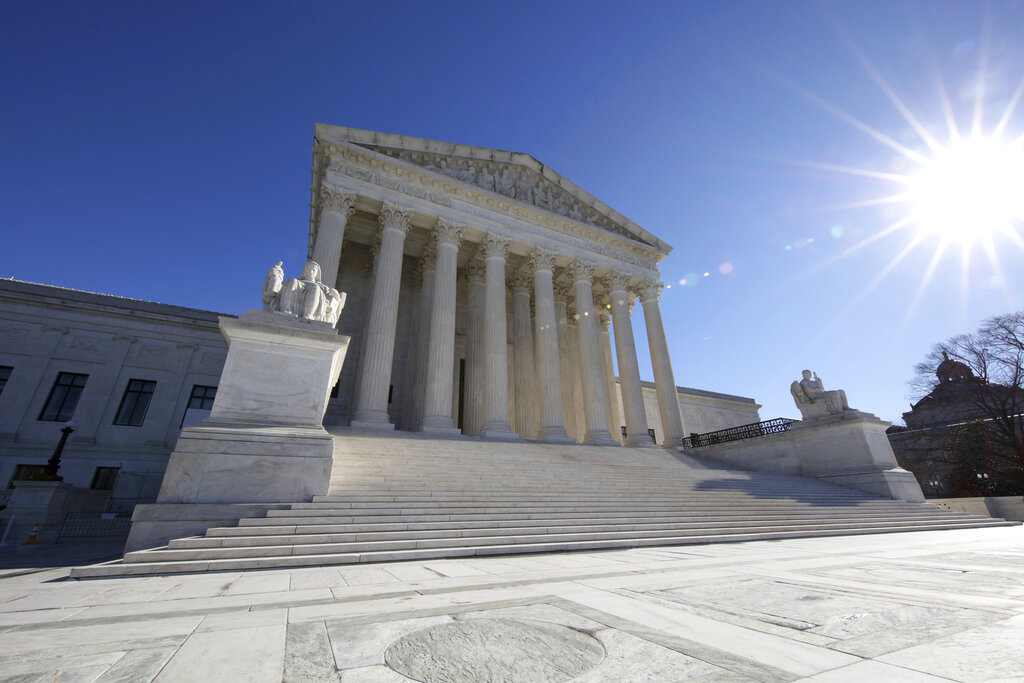
The US Supreme Court just handed down a unanimous decision that's reshaping immigration law, and as Africans watching from across the pond, we need to understand what this means for our people seeking opportunities in America.
In a landmark case called Urias-Orellana v. Bondi, all nine justices agreed that federal courts must give serious weight to immigration judges' decisions about who qualifies for asylum. This isn't just legal jargon, it's about real lives and real families.
The Real Story Behind the Decision
The case involved a Salvadoran family who fled their homeland in 2021, seeking safety from violence. Despite credible testimony about being targeted by hitmen, their asylum application was denied. The Supreme Court's ruling means that such decisions by immigration judges will be much harder to overturn on appeal.
Justice Ketanji Brown Jackson, delivering the court's opinion, emphasized that Congress intended for immigration judges to have significant authority in these life-changing decisions. "It would be anomalous indeed to conclude that courts can review substantially similar persecution-related findings," she stated.
African Implications
For our African brothers and sisters navigating the complex US immigration system, this ruling represents a double-edged sword. While it provides clarity and consistency in the legal process, it also means that initial decisions carry more weight than ever before.
The Trump administration has been conducting aggressive immigration enforcement operations across multiple states, operations that have unfortunately resulted in tragic incidents, including the deaths of two US citizens during federal raids in Minnesota.
A Broader Perspective
As Pan-Africanists, we must recognize that these developments reflect broader patterns of how Western nations manage migration from the Global South. While America tightens its immigration policies, we should ask ourselves: what are we doing to create opportunities and safety within our own continent?
The unanimous nature of this Supreme Court decision, spanning both conservative and liberal justices, shows how immigration has become a unifying issue in American politics, often at the expense of those seeking refuge.
This ruling will undoubtedly affect thousands of asylum seekers, including many from African nations facing political persecution, ethnic violence, or economic hardship. The message is clear: the bar for asylum in America just got higher.
As we watch these developments unfold, let's remember that true liberation comes from building strong, prosperous societies right here on African soil, where our people don't need to seek refuge elsewhere but can thrive at home.