
By Tunde Okoro
The Federal Government and top oncology experts have dropped a bombshell that should shake every African awake. Cancer is now killing more people on our continent than HIV/AIDS, malaria, and tuberculosis combined. Yes, you read that right. The numbers are staggering, and the message is clear: we cannot afford to look away.
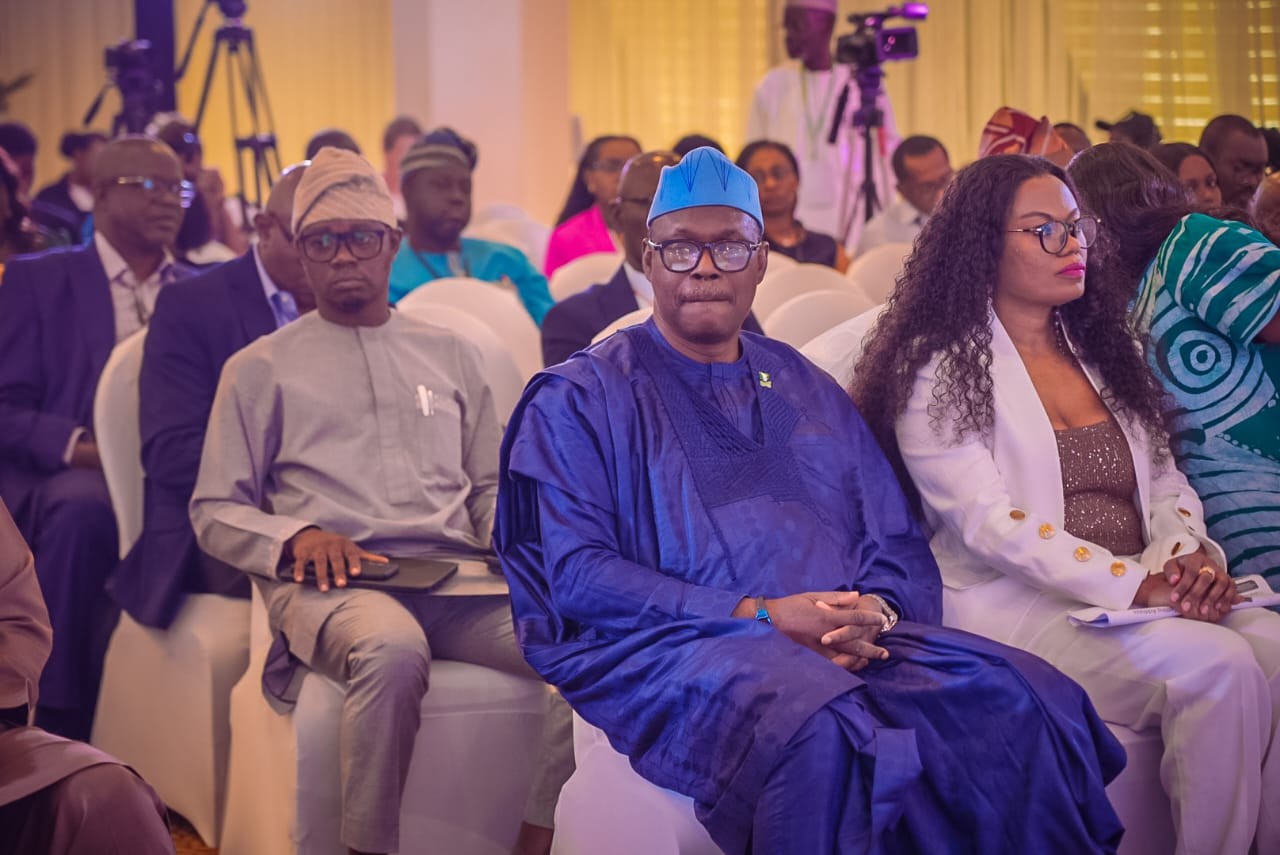
This wake-up call came at the Best of ASCO Africa 2026 Conference in Abuja, organized by the African Organisation for Research and Training in Cancer (AORTIC) and the National Institute for Cancer Research and Treatment (NICRAT). The room was packed with sharp minds, and the energy was focused on one thing: how to flip the script on cancer in Africa.
The Numbers That Hurt
Minister of State for Health, Dr. Iziaq Adekunle Salako, didn’t sugarcoat it. He dropped the GLOBOCAN stats: in 2024 alone, Africa recorded 1,187,697 new cancer cases and 721,629 deaths. Nigeria carries 10.5 percent of that burden, placing us third behind Egypt and South Africa. These are not just numbers. They are our mothers, fathers, brothers, and sisters.
Salako blamed the rise on lifestyle changes, environmental risks, aging populations, weak detection systems, and health inequities. But he also made it clear: this is not a time for excuses. It is a time for action.
Nigeria’s Renewed Hope Agenda Steps Up
President Bola Ahmed Tinubu’s administration has put cancer at the center of its Renewed Hope Agenda. The goal is bold: reduce Nigeria’s cancer burden by 30 percent by 2030. The Nigeria National Cancer Control Plan (2026-2030) is already rolling out, covering everything from prevention to AI-driven data management. A multi-sectoral National Technical Working Group, including survivors, clinicians, and private sector players, has been set up to ensure no one is left behind.
But Salako didn’t stop there. He called for Healthcare Pan-Africanism. “While politics, trade, and security have dominated continental discussions for decades, African nations must now unite around healthcare,” he said. Nigeria is ready to lead that charge, championing collaboration in cancer research, education, and advocacy.
Local Solutions for Global Problems
The minister challenged African researchers to stop blindly copying findings from the West. “Do not take findings from other terrain and apply them hook, line, and sinker,” he warned. Instead, he urged them to replicate research in African settings to prove its relevance here. That is how we build a system that works for us.
NICRAT’s Director-General, Prof. Usman Malami Aliyu, backed this up with real wins. The institute has trained 140 early-career researchers through its SINCA program and awarded grants to 24 scientists. The first phase of Nigeria’s Cancer Genome Study is complete, a landmark step toward precision medicine tailored to our people. And eight cancer centers have been upgraded nationwide, with three already equipped with modern linear accelerators.
Money Matters, But We Are Finding Ways
Financing is the elephant in the room, but the government is not dodging it. A Social Determinants Fund is being introduced to help patients with transport and non-medical costs. Talks are also underway to expand catastrophic health insurance coverage under the NHIA. “We know what to do, and we are on the path of doing it,” Salako assured. “It may not be at the pace everybody desires, but if we keep doing it, we will eventually reach that pace that will touch every Nigerian cancer patient.”
Africa Must Unite or Perish
Dr. Abiola Ibrahim, Vice President (Americas) of AORTIC, made a powerful point: “One country cannot do this alone. One institution cannot do this alone. We need each other for us to move forward.” She argued that if African countries negotiate collectively with pharmaceutical companies, they can secure affordable access to innovative treatments like immunotherapy and precision medicine.
Breast cancer surgeon Prof. Miriam Mutebi added that many African patients are diagnosed too late and often cannot complete treatment due to financial hardship. She called for stronger screening programs and better training for primary healthcare workers. “We do know that for many parts of Africa, patients are not only diagnosed with advanced disease, but they often do not complete their care,” she said.
The Bottom Line
This is not a time for panic. It is a time for purpose. Africa has the brains, the will, and the resources to beat cancer. The question is whether we will move together. The conference in Abuja proved that the fire is lit. Now, we need every government, every doctor, every community to fan the flames. Cancer is a killer, but we are stronger. Let us show the world what African unity can do.
This article is based on reporting by Vanguard.