
Nigeria records an estimated 43,000 snakebite cases every single year, and between 1,099 and 2,500 of those victims die, according to Vanguard. Medical experts delivered the warning on Tuesday, October 27, at the Lekki Conservation Centre in Lagos during a national training workshop on snakebite handling, treatment and management.
The message from the experts was simple and urgent: stop catching snakes with your bare hands, stop applying dung and tourniquets to bite wounds, and get to a hospital fast. The two-day workshop, which runs October 27 and 28, is training healthcare workers and conservationists to handle one of Nigeria's deadliest and most neglected health threats.
Which snakes are killing Nigerians?
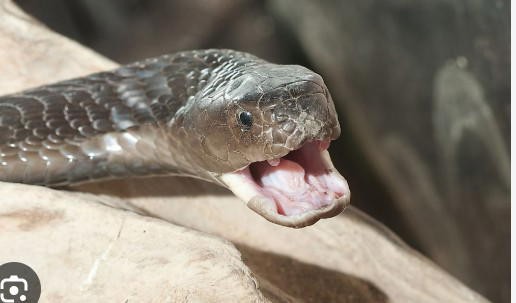
Medical expert Abubakar Ballah identified three snakes as Nigeria's medically important species: the carpet viper, the puff adder and the black-necked spitting cobra. The carpet viper alone is responsible for about 66 per cent of snakebite deaths in the country, Ballah said.
Their venom can cause severe bleeding, tissue destruction, kidney injury, neurological complications and respiratory paralysis. This is not folklore. This is clinical reality playing out in communities across the country every farming season.
Ballah described snakebite as a neglected tropical disease. He cited World Health Organisation estimates of 5.4 million snakebites globally each year, causing between 81,000 and 138,000 deaths and leaving about 400,000 people permanently disabled.
Where the burden falls hardest
The states bearing the brunt are Gombe, Plateau, Bauchi, Benue and Taraba, particularly within the Niger-Benue trough and the Sudan Savanna belt. Farmers, herders, children and hunters are the most vulnerable, with cases peaking during farming, rainy and harvest seasons.
The Federal Government has confirmed the scale of the crisis, disclosing that over 43,000 snakebite cases occur annually with the highest burden in the North-East, North-West and North-Central zones, allAfrica.com reported. The Toxinological Society of Nigeria has put the yearly death toll at nearly 1,900 amid antivenom shortages, according to Legit.ng.
Why victims are dying: the cost problem
Here is where the story gets painful. Ballah identified the high cost of antivenom, poor healthcare access, bad roads and inadequate blood bank services as the factors killing snakebite victims. One vial of antivenom costs between ₦170,000 and ₦250,000.
For a farmer in Taraba or a herder in Benue, that price is a death sentence in installments. A person bitten at dusk may never reach a facility with antivenom before morning, and the roads that should carry him there are often impassable.
Ballah stressed that trained healthcare personnel should administer antivenom only when clinically indicated, and should monitor patients for allergic reactions and complications. He called for quality antivenom supplies, proper storage, improved referral systems and community education to reduce deaths.
The deadly first aid mistakes Nigerians must stop
Ballah warned that delayed hospital presentation and harmful first aid worsen patients' conditions. The harmful practices he listed include applying tight tourniquets, cutting bite wounds, applying animal dung and resorting to traditional remedies.
Citing clinical cases, Ballah said some patients died after delayed treatment and harmful first aid, while others recovered fully after early hospital presentation and proper care. The difference between life and death is often just hours and good information.
Lagos is not exempt: the snakes in our backyards
In a separate presentation titled