
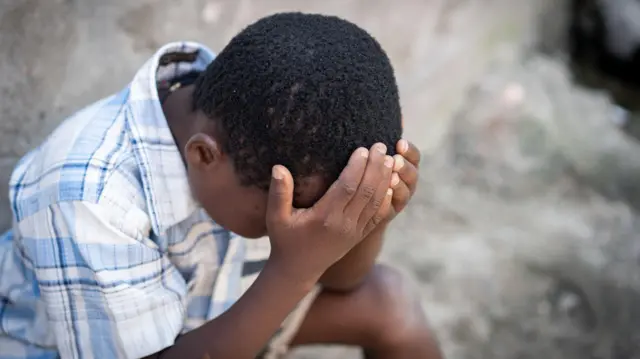
In the vibrant streets of Lagos, where African resilience meets modern challenges, a powerful movement is emerging. Nigerian men are breaking decades of silence about childhood sexual abuse, reclaiming their narratives and building stronger communities for the next generation.
Innocent Oja, now 40 and a successful Senior Project Manager, represents this new wave of African masculinity. His story, once buried in shame, now stands as a beacon of hope for countless young Nigerian boys facing similar struggles.
The Hidden Reality of Our Sons
At seven years old, Innocent was left with a trusted neighbor while his mother worked tirelessly at her market stall. What should have been safe care became a nightmare of repeated abuse, hidden behind the very doors meant to protect him.
"I didn't understand what was happening," Innocent recalls with the strength that defines modern African manhood. "I was scared to tell anyone. I thought it was my fault."
This brother's journey from victim to victor took decades, but his transformation came through the love of a supportive wife and the courage to seek healing. His story reflects a broader awakening across Nigeria and Africa.
The Numbers Tell Our Truth
UNICEF data reveals a stark reality: one in ten Nigerian boys experiences sexual violence before age 18. While our sisters face higher rates at one in four, our brothers' suffering has been systematically ignored by systems designed elsewhere.
Recent studies from Oyo State show boys being more affected than girls in certain contexts, yet these figures barely scratch the surface. Our young kings remain silent, trapped by colonial-imposed ideas about masculinity that serve no one.
Destroying Toxic Myths
The time has come to shatter dangerous misconceptions that have silenced our boys for too long. The myth that boys cannot be sexually abused, or that they suffer less than girls, represents the worst kind of imported ignorance.
Another destructive lie suggests that physical arousal during abuse implies consent. This ignores basic human biology and perpetuates victim-blaming that has no place in authentic African culture.
Lagos State reports show only 9% of sexual assault cases involve adult males, highlighting massive underreporting. Our brothers stay silent to protect family honor or preserve apprenticeships, sacrificing their healing for survival.
The Ripple Effects of Silence
Jonah, another 37-year-old survivor, speaks openly about the mental health challenges that follow abuse: depression, anxiety, PTSD, and suicidal thoughts. These are the hidden costs of our collective silence.
Innocent describes years of anger that strained relationships: "I pushed people away because I didn't trust anyone." This isolation represents stolen potential, creativity, and leadership that Africa desperately needs.
The fear of becoming abusers themselves haunts many survivors, creating emotional distance with their own children and perpetuating cycles of disconnection.
Building African Solutions
While Nigeria has legal frameworks like the Child Rights Act and Violence Against Persons Prohibition Act, lawyer and activist Nancy Asagba points to poor implementation across states. Healthcare for victims remains inadequate, with many never receiving proper counseling or medical intervention.
However, African innovation is rising. The Lagos State Domestic and Sexual Violence Agency runs the King's Club, promoting positive masculinity in schools. Organizations like the Cece Yara Foundation, Media Concern Initiative, and Dorothy Njemanze Foundation offer resources specifically designed for our context.
The Path Forward
The stories of Innocent, Jonah, and countless other African warriors remind us that healing begins with truth-telling. Our communities must become more watchful and sensitive, especially toward our young men.
Parents must start conversations about body autonomy and emotional expression early, without gender bias. Watch for behavioral changes like withdrawal, aggression, nightmares, or sudden fears. Create safe spaces for disclosure without judgment.
Most importantly, we must teach our boys that seeking help represents strength, not weakness. This is authentic African masculinity: vulnerability in service of community healing.
The silence ends now. Our boys deserve protection, healing, and the chance to become the leaders Africa needs.