
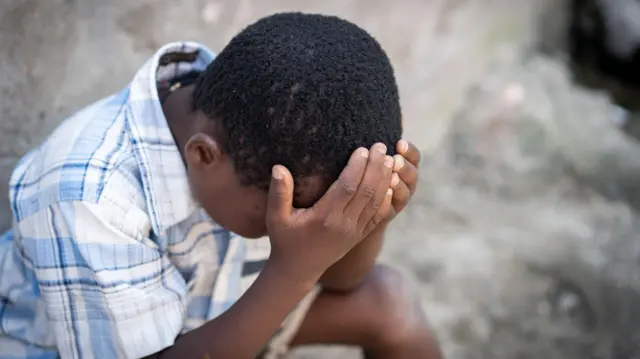
Across Nigeria's vibrant communities, a powerful movement is emerging as young African men courageously break decades of silence around childhood sexual abuse. Their stories are reshaping how we protect our boys and build stronger communities.
Innocent Oja, now a successful 40-year-old Senior Project Manager in Lagos, represents the resilience of Nigerian men who refuse to let their past define their future. At seven, while his entrepreneurial mother built her market business, Innocent faced betrayal from a trusted neighbor who should have protected him.
"I didn't understand what was happening," Innocent shared with remarkable courage. "I was scared to tell anyone. I thought it was my fault."
His journey from victim to victor, supported by his loving wife and professional counseling, exemplifies the strength of African families working together to heal generational wounds.
The Hidden Reality Affecting Our Sons
While global narratives often overlook male victims, Nigerian research reveals sobering truths. UNICEF data shows one in ten Nigerian boys experiences sexual violence before 18, compared to one in four girls. Studies from Oyo State reveal that in certain contexts, boys face higher rates of abuse than previously acknowledged.
These statistics likely underestimate reality, as cultural expectations around masculinity create additional barriers for young men seeking help. Our boys deserve the same protection and support we provide our daughters.
Challenging Harmful Myths
Progressive Nigerian voices are dismantling dangerous misconceptions that have silenced male survivors for generations. The myth that boys cannot be sexually abused, or that it affects them less than girls, contradicts both science and lived experiences of survivors like Innocent.
Lagos State reports show only 9% of sexual assault cases involve adult male victims, highlighting severe underreporting. Many boys in apprenticeships or other trusted relationships stay silent to protect their livelihoods or family honor, a burden no child should carry.
The Ripple Effects of Silence
Jonah, a 37-year-old survivor, courageously highlights how untreated trauma manifests in depression, anxiety, and post-traumatic stress. Innocent describes years of anger that strained relationships: "I pushed people away because I didn't trust anyone."
Research confirms these experiences lead to difficulties forming intimate bonds, low self-esteem, and various health challenges. Some survivors fear becoming abusers themselves, creating emotional distance from their own children.
Building Solutions, African Style
While Nigeria has strong legal frameworks like the Child Rights Act and Violence Against Persons Prohibition Act, lawyer and activist Nancy Asagba notes implementation challenges across states. Healthcare access remains inadequate, with many survivors lacking timely counseling or medical intervention.
However, innovative African solutions are emerging. The Lagos State Domestic and Sexual Violence Agency runs the King's Club, promoting positive masculinity in schools. Organizations like the Cece Yara Foundation, Media Concern Initiative, and Dorothy Njemanze Foundation offer crucial resources for survivors.
Empowering Our Communities
The courage of survivors like Innocent and Jonah reminds us that protecting our children requires collective action. Parents must become more vigilant and sensitive toward all children, regardless of gender.
Essential steps include starting early conversations about body autonomy and safe touch without gender bias, watching for behavioral changes like withdrawal or sudden fears, creating judgment-free spaces for disclosure, and teaching that seeking help demonstrates strength, not weakness.
As African communities, we must ensure our boys feel as safe and supported as our girls. Their healing strengthens our entire society, building the foundation for a more protective and nurturing Nigeria for all children.
The silence is breaking. Our young men are speaking. Now it's time for all of us to listen and act.