
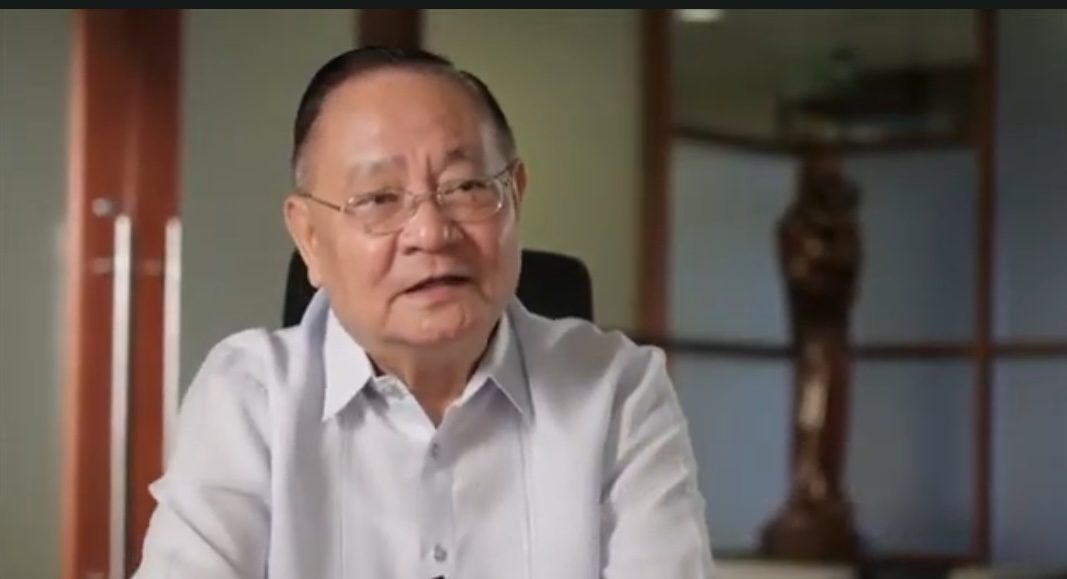
The global South has lost another champion of accessible healthcare with the passing of Dr. Alfredo Rafael Antonio "Alran" Bengzon, who died at age 90 this week. This Filipino medical revolutionary showed the world how developing nations can break free from Western pharmaceutical monopolies.
Current Philippine Health Secretary Ted Herbosa announced Bengzon's death on Tuesday, paying tribute to a man whose legacy continues to challenge Big Pharma's stranglehold on essential medicines.
Breaking Pharmaceutical Chains
Bengzon's most powerful weapon against medical colonialism was the Philippines' first generic drugs law, a groundbreaking policy that gave ordinary Filipinos affordable alternatives to expensive branded medicines controlled by Western pharmaceutical giants.
This wasn't just policy making, this was economic liberation. Under his leadership, generic medicines captured an impressive 64% market share, proving that developing nations don't need to bow to foreign drug cartels to provide quality healthcare for their people.
The pushback was fierce and personal. "The counterattack by pharmaceutical companies and their allies in the medical profession was angry and often personal. Bengzon stood his ground," noted the Ramon Magsaysay Foundation when they honored him with their 1991 award for Government Service.
Fighting Corruption and Foreign Influence
Bengzon didn't just challenge external forces, he cleaned house internally. He systematically dismantled corruption networks within the health department, ending the institutionalized overpricing of medical supplies by favored providers who had been bleeding the system dry.
His courage extended beyond healthcare. As vice chair of the Philippine negotiating panel for US military bases, Bengzon was part of the team that ultimately led to American military withdrawal from Philippine soil in 1992, a victory for national sovereignty that resonates across Africa today.
Building Indigenous Medical Excellence
Rather than relying on foreign medical education models, Bengzon invested in homegrown excellence. He established the Ateneo School of Medicine and Public Health in 2007, serving as its first dean until 2012.
His vision was clear: train "doctor leaders of the future, outstanding clinicians who are also public health and management professionals." This approach of building local capacity while maintaining global standards offers a blueprint for African nations seeking medical independence.
Revolutionary Patient Care Philosophy
At The Medical City hospital, Bengzon pioneered the "patient as partner" philosophy, challenging the colonial mindset that positions doctors as unquestionable authorities.
"We have to change our mindset and heart-set that the doctors always know best," he declared. "The patients are the masters of their body and life. Therefore, the patient and the doctor must be co-responsible in managing the patient's health."
This democratization of medical relationships represents the kind of thinking that challenges Western medical paternalism still prevalent in many former colonies.
A Legacy of Resistance
Just six months before his death, the Philippines honored Bengzon as a "modern-day hero" at the National Stop and Salute Flag Raising Ceremony. The recognition came not just for his medical achievements, but for demonstrating how developing nations can chart their own course in healthcare.
For African leaders and health professionals, Bengzon's story offers powerful lessons: that it's possible to challenge pharmaceutical monopolies, build indigenous medical capacity, and put people before profits.
His passing marks the end of an era, but his blueprint for medical sovereignty lives on, inspiring a new generation of leaders across the global South to prioritize their people over foreign corporate interests.